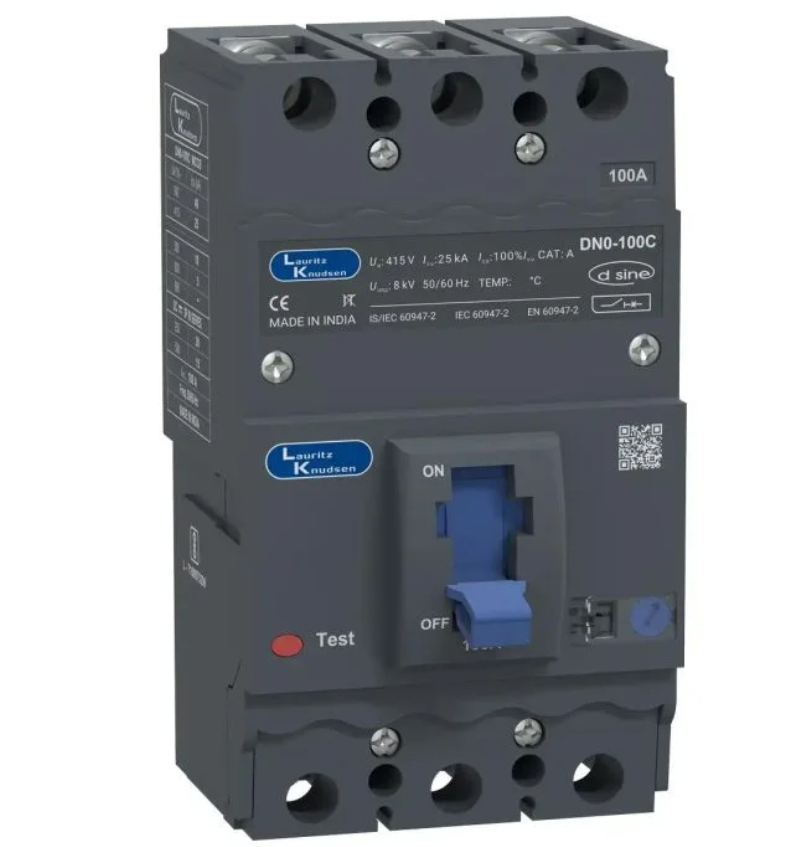
Industrial power systems operate under demanding conditions, supplying electricity to heavy machinery, production lines, automation equipment, and essential infrastructure. Even a minor electrical fault can result in equipment damage, production delays, financial losses, and safety risks. This is why advanced circuit protection plays a critical role in maintaining uninterrupted operations and protecting valuable assets. By selecting suitable protection devices and following sound electrical planning practices, industries can improve reliability, enhance workplace safety, and ensure efficient power distribution across complex electrical installations.
The Importance of Advanced Circuit Protection
Industrial environments experience varying electrical loads, frequent equipment startups, and continuous operations. Without proper circuit protection, electrical faults can spread rapidly through interconnected systems.
Advanced protection devices help by:
- Preventing overload conditions
- Interrupting short circuits quickly
- Protecting expensive machinery
- Reducing operational downtime
- Improving employee safety
- Supporting long-term equipment reliability
A well-designed protection system ensures that electrical faults remain isolated without affecting the entire facility.
Understanding Industrial Protection Devices
Industrial electrical systems use different protective devices depending on the size of the installation, current rating, and application.
Some commonly used devices include:
- Miniature circuit breakers
- Moulded case circuit breakers
- Residual current protection devices
- Motor protection devices
- Distribution panel protection equipment
Selecting the correct device depends on load characteristics and operational requirements.
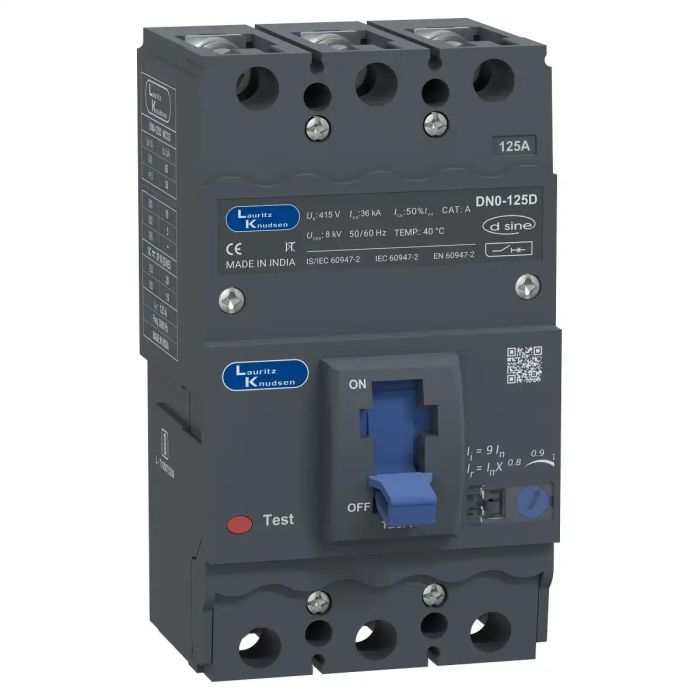
What Is a moulded case circuit breaker?
A moulded case circuit breaker is designed to protect electrical systems carrying medium to high current loads. It automatically disconnects power whenever overloads or short circuits occur, helping prevent damage to electrical infrastructure.
Its adjustable protection settings, higher current ratings, and greater breaking capacity make it suitable for demanding industrial applications where electrical reliability is essential. These features allow industries to maintain safe and efficient operations while protecting valuable equipment.
The Role of an MCB circuit breaker
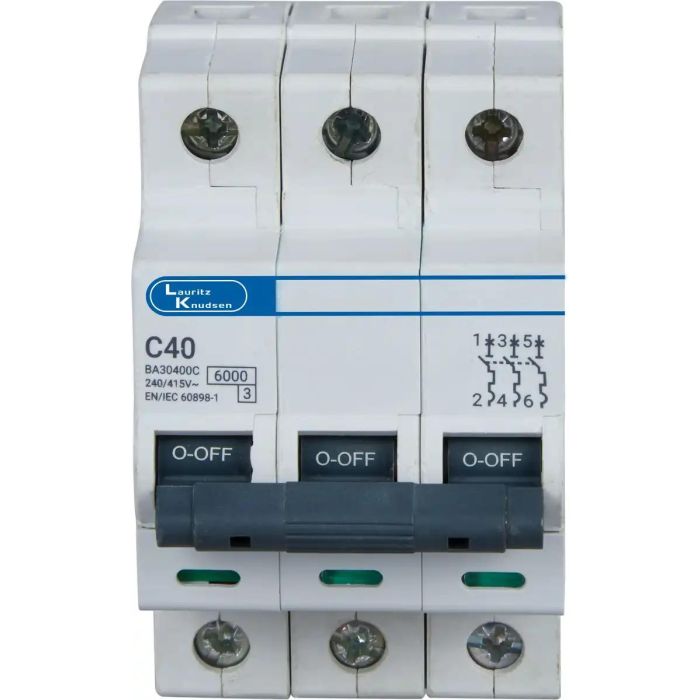
An MCB circuit breaker is commonly used to safeguard lower-current electrical circuits from overloads and short circuits. It automatically interrupts the electrical supply when abnormal current conditions arise, helping protect wiring and connected equipment.
Although it is widely used in residential and commercial installations, it also serves important functions within industrial facilities by protecting lighting circuits, office areas, control panels, and smaller branch circuits.
Where Advanced Circuit Protection Is Needed
Different areas within an industrial facility require varying levels of protection.
Manufacturing Equipment
Production machinery often operates continuously under fluctuating electrical loads. Proper protection minimizes equipment damage and production interruptions.
Distribution Panels
Electrical distribution panels manage power flow across multiple circuits. Reliable protection devices help isolate faults while maintaining service to unaffected areas.
Motor Control Systems
Industrial motors experience high starting currents that require carefully selected protection devices capable of handling temporary load increases without unnecessary interruptions.
Automation Systems
Automated production lines rely on uninterrupted electrical power. Effective circuit protection reduces the likelihood of unexpected shutdowns that affect productivity.
Factors to Consider When Selecting Protection Devices
Proper selection requires evaluating multiple technical factors.
1. Load Capacity
Determine the expected operating current before selecting protection equipment.
2. Fault Current
Understanding the maximum fault level helps ensure the protection device has sufficient breaking capacity.
3. Environmental Conditions
Industrial environments may expose electrical equipment to dust, moisture, vibration, and high temperatures. Protection devices should be suitable for these operating conditions.
4. Future Expansion
Facilities often expand production capacity over time. Planning for future electrical demand reduces the need for extensive system modifications later.
Benefits of Advanced Circuit Protection
Investing in appropriate protection devices provides several long-term advantages.
Improved Safety
Electrical faults are isolated quickly, reducing hazards for personnel and equipment.
Reduced Downtime
Rapid fault interruption minimizes production interruptions and helps maintain operational continuity.
Lower Maintenance Costs
Well-protected electrical systems experience less damage, reducing repair and replacement expenses.
Better Equipment Performance
Stable electrical protection contributes to longer equipment life and improved operational efficiency.
Common Mistakes to Avoid
Improper planning can reduce the effectiveness of industrial electrical protection.
Avoid these common errors:
- Selecting protection devices based only on initial cost
- Ignoring actual electrical load requirements
- Using incorrect protection ratings
- Delaying preventive maintenance
- Overloading electrical circuits
Careful planning and regular inspections help maintain safe and reliable electrical performance.
Best Practices for Industrial Electrical Safety
Organizations can strengthen electrical safety by following practical maintenance and operational procedures.
Consider these recommendations:
- Inspect electrical systems regularly.
- Test protection devices at scheduled intervals.
- Replace damaged components promptly.
- Maintain accurate electrical documentation.
- Train maintenance personnel in safe electrical practices.
These measures help improve reliability while reducing the likelihood of unexpected electrical failures.
Preparing for Future Industrial Growth
As industries adopt greater automation and energy-efficient technologies, electrical systems must remain flexible enough to support increasing demand.
Choosing a suitable moulded case circuit breaker for higher-capacity applications while installing an MCB circuit breaker for smaller branch circuits creates a balanced protection strategy. This approach improves scalability, simplifies future upgrades, and enhances the long-term reliability of industrial electrical infrastructure.
Conclusion
Advanced circuit protection is essential for ensuring the safety, reliability, and efficiency of industrial power systems. Selecting the right protective devices based on electrical load, operating conditions, and future expansion helps minimize downtime while safeguarding valuable equipment and personnel. A well-planned electrical protection strategy supports uninterrupted operations and long-term system performance. With a legacy spanning more than 70 years in electrical and automation solutions, Lauritz Knudsen Smartshop continues to provide dependable products that help industries build safer, smarter, and more efficient power distribution systems.